
Gummy Science
Are Gummy Vitamins Halal or Kosher? What Certification Covers
Pectin gummies skip gelatin, the usual halal or kosher concern, but certification covers the whole product. We hold neither. How to check any brand's...
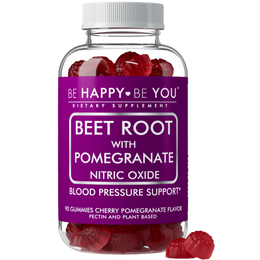
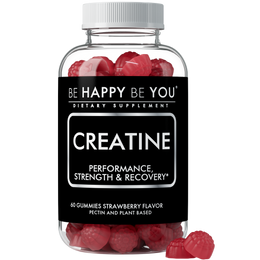
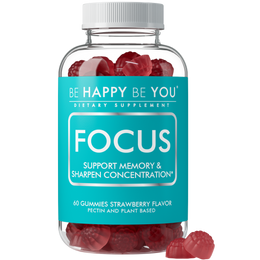
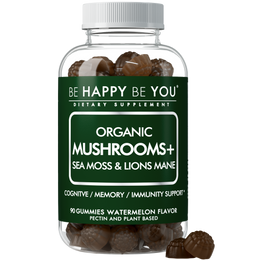
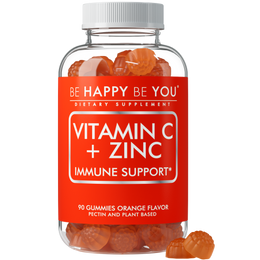
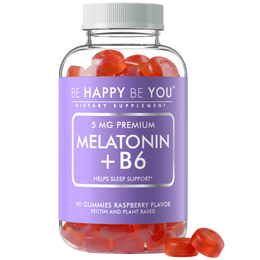
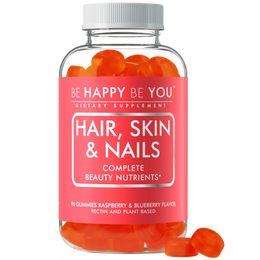
Pectin comes from fruit. Gelatin comes from animals. That one sentence is the whole difference, and almost everything people ask about gummies follows from it. Pectin is a fiber pulled out of citrus peel, apple pomace or beet pulp, and it sets a gummy into a firm, fruit-jelly bite. Gelatin is a protein made by breaking down collagen from the skin and bones of cattle and pigs, and it gives the springy chew most people picture when they hear the word gummy. The base decides whether a product is vegan, whether it is vegetarian, and whether it raises a halal or kosher question. I am Jan, and every gummy we make is set with pectin, which is why the table below quotes each brand's own page rather than my opinion of it.
Quick facts
Pectin has a formal definition in US food law. The FDA's GRAS listing for pectin, 21 CFR 184.1588, describes the pectins as "a group of complex, high molecular weight polysaccharides found in plants," and it spells out where the commercial supply comes from: "Pectin is produced commercially by extracting citrus peel, apple pomace, or beet pulp with hot dilute acid." If you have ever made jam and watched it set, you have used the same material doing the same job.
Gelatin has an equally plain definition, and it is the one shoppers are usually looking for. A 2019 paper in Food Science and Biotechnology puts it this way: "Gelatin is a soluble protein obtained through partial hydrolysis of collagen; the fibrous protein constituent in bones, connective tissue, cartilages and skins of animal." The same paper says where the commercial supply comes from: "Commercially, gelatin is produced from skin and bone of bovine and porcine." Cattle and pigs, in other words. Both materials have been used in food for a very long time and both set a gummy well.
You can feel the difference. Gelatin sets a soft, elastic network that gives way under your teeth and then goes liquid from your own body heat. A 2022 paper from the Japanese Society of Dysphagia Rehabilitation describes the effect precisely: "Gelatin-based jelly melts at body temperature and becomes liquid when it stays in the oral cavity or pharynx for several seconds or longer." That melt is why a gelatin gummy feels bouncy and then disappears.
A pectin gel holds its shape at mouth temperature, so a pectin gummy has a shorter, firmer bite that breaks cleanly and chews more like a fruit snack. Plenty of people prefer the gelatin chew and pectin cannot copy it. What pectin gives back shows up in shipping. A material that melts at body heat also softens inside a delivery van in July, so a pectin gummy is more likely to arrive as separate gummies.
Gelatin is animal protein, so a gelatin gummy is not vegan and it is not vegetarian either. No label wording softens that. Pectin is plant material, so a pectin base clears both hurdles on its own.
Halal and kosher deserve a careful answer. The usual concern with a gummy is the gelatin, since commercial gelatin comes from cattle and pigs. Pork gelatin is a clear problem in both traditions, and cattle gelatin raises its own question in kosher practice unless the source is certified. A pectin gummy contains no gelatin, so that concern does not arise. Certification is separate, granted by a body that inspects the facility and the supply chain. We hold no halal certification and no kosher certification on any of our products. Our gummies are pectin-set and gelatin-free, and if a certification mark is what you need, we have none to show you.
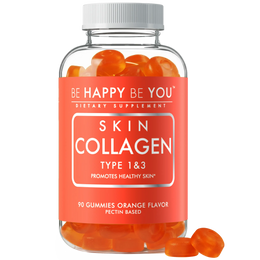
One more caveat, and it applies to us. The base answers the biggest question. It does not answer all of them. Our Collagen gummy is pectin-set like everything else we make and it is still not vegan, because the collagen in it is bovine. Pectin tells you about the base and nothing about the actives, so read the whole panel.
Skip the front of the package. Go to the Supplement Facts panel. Under the vitamin table there is a line marked Other Ingredients. That is where the base lives.
There is a fourth outcome. Some brands do not publish the Other Ingredients line on the product page, either because the panel is an image or because the page lists only the vitamins. Then the website cannot tell you, and you need a bottle in hand or an email to the company.
We sell one of the products in this table. Read the numbers before you read our opinion. Every entry is transcribed from that brand's own product page and quoted as the brand words it. Where a brand does not publish it, the row says so rather than guessing.
Label data checked on September 4, 2026.
| Brand and product | Base | What the brand's own page says |
|---|---|---|
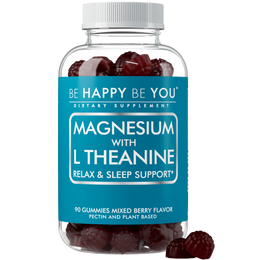
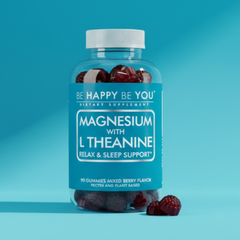
| Be Happy Be You, Magnesium & L-Theanine Gummies | Pectin | "Made with pectin, not gelatin." |
| OLLY Women's Multi | Gelatin | "OLLY Women's Multi gummies are made with porcine (pork) gelatin." |
| SmartyPants Adult Plus Multi & Omegas | Both | Other ingredients list both: "Organic Cane Sugar, Organic Tapioca Syrup, Pectin, Gelatin, Citric Acid". |
| Nature Made Multivitamin Gummies | Not published on the brand's product page | The panel is an image and no Other Ingredients text appears. See the footnote. |
| vitafusion MultiVites | Not published on the brand's product page | Lists vitamins and minerals only. No Other Ingredients line appears. |
| Goli Apple Cider Vinegar Gummies | Pectin | "Goli ACV Gummies are made with pectin from fruit peels, making them vegan-friendly." |
| MaryRuth's Women's Multivitamin Gummies | Pectin, per the brand's own on-page badges | Page carries the labels "Pectin Based" and "No Gelatin," and marks the product Vegan. |
| Nature's Way Alive! Women's Gummy Multivitamin | Pectin | "Alive! gummies are made with pectin, not gelatin." Other ingredients begin "sucrose, glucose syrup, purified water, pectin, natural flavors". |
| HUM Nutrition Hair Strong Gummies | Pectin | "No, Hair Strong Gummies do not contain gelatin. All of our gummies use plant-based, vegan pectin." |
Footnote on Nature Made. The company does publish the answer elsewhere on its own site. Its help article on the source of gelatin in its products says: "We mainly use porcine (pork) in our softgels, gummies, and capsules, and also offer many pectin based gummies." Which one applies depends on the product, so check the bottle.
Think one of these rows is wrong or out of date? Email us at team@behappybeyou.net and we will recheck the page and correct it.
Pectin is not a free win. Gelatin sets easily around a wide range of actives, one reason it stayed the default for decades. Pectin needs sugar and acid in balance to set properly, so a pectin formula is a fussier thing to build. In exchange we get a gelatin-free base across the whole line. That trade was worth it to us, and every gummy we make is set with fruit pectin.
Our Magnesium and L-Theanine gummy is the one in the table above. A serving delivers 60 mg of elemental magnesium plus 50 mg of L-theanine, at 15 calories and 2 g of added sugar. It sits in our wind down in the evening collection, and its label is beside the others in our magnesium gummy comparison.
This article is general information, not medical advice. Talk to your healthcare provider before starting any supplement, especially if you are pregnant or nursing, take medication, or have a health condition.
These statements have not been evaluated by the Food and Drug Administration. This product is not intended to diagnose, treat, cure, or prevent any disease.
Pectin comes from fruit and gelatin comes from animals. Pectin is a fiber extracted from citrus peel, apple pomace or beet pulp, and it sets a gummy into a firm, fruit-jelly bite. Gelatin is a protein made by breaking down collagen from the skin and bones of cattle and pigs, and it gives the springy chew that melts at body temperature. The base decides vegan and vegetarian suitability.
A pectin base is plant material, so it clears the vegan and vegetarian hurdle on its own. The base is not the only thing to check, though. A gummy can be pectin-set and still contain an animal-derived active. Our own Collagen gummy is a good example, because it is pectin-set and still not vegan, since the collagen in it is bovine. Read the full ingredient panel.
No. Gelatin is a protein obtained through partial hydrolysis of collagen, the fibrous protein found in the bones, connective tissue and skin of animals. Commercially it is produced from the skin and bone of cattle and pigs. That makes a gelatin gummy unsuitable for both vegetarians and vegans, and no wording on the front of the package changes it.
A pectin gummy contains no gelatin, so the usual concern about porcine gelatin does not arise. Certification is a separate matter granted by a certifying body that inspects the facility and supply chain. Be Happy Be You holds no halal certification and no kosher certification on any product. Our gummies are pectin-set and gelatin-free, but we have no certification mark to show you.
Look at the Other Ingredients line printed under the Supplement Facts panel. If the word gelatin appears anywhere in it, the product contains gelatin. If you see pectin and no gelatin, it is a pectin gummy. Some formulas list both, and those count as gelatin gummies for vegan purposes. Front-of-package words like natural or plant-based do not tell you the base.
Checked on their own product pages in September 2026, Goli, MaryRuth's, Nature's Way Alive, HUM Nutrition and Be Happy Be You publish a pectin base. OLLY publishes porcine gelatin, and SmartyPants lists both pectin and gelatin. Nature Made and vitafusion do not publish the base on the product pages we checked, so a physical bottle is the reliable source there.
Yes, and most people notice it. Gelatin melts at body temperature, so a gelatin gummy feels bouncy on the first bite and then goes soft in your mouth. Pectin holds its shape at mouth temperature, so the bite is shorter and firmer and chews more like a fruit snack.
They generally hold their shape better. Gelatin melts at body temperature, which is not far from the inside of a delivery vehicle on a hot day, so gelatin gummies are more prone to softening and sticking together in transit. A pectin gel stays set at those temperatures. It can dry out and firm up over time instead, so store any gummy somewhere cool and sealed.
*These statements have not been evaluated by the Food and Drug Administration. This product is not intended to diagnose, treat, cure, or prevent any disease.
One useful read at a time on gummies, ingredients, and routines that stick. No spam, unsubscribe whenever.
How is your visit going so far?
What best describes it?
Thank you. That helps.