
Gummy Science
Are Gummy Vitamins Halal or Kosher? What Certification Covers
Pectin gummies skip gelatin, the usual halal or kosher concern, but certification covers the whole product. We hold neither. How to check any brand's...
Pectin is a fiber that comes from fruit, usually citrus peel or apple pomace, and it sets into a gel when it is mixed with the right balance of sugar and acid. That gelling trick is exactly why it works as the base of a gummy. It is a plant ingredient from start to finish, which is the main reason it has become the standard swap for gelatin, the traditional animal-based gummy base.
Quick facts
Pectin is a family of related plant fibers. The FDA's own rule describes it as "a group of complex, high molecular weight polysaccharides found in plants" (21 CFR 184.1588). In plain terms, it is a long, tangled chain of natural sugar-acid units, and it makes up part of the structure inside fruit peels and cores.
Here is how it gets from fruit to food ingredient. The same FDA rule spells out the process: "Pectin is produced commercially by extracting citrus peel, apple pomace, or beet pulp with hot dilute acid." Manufacturers pull it out of the leftover peel and pulp, most of it a byproduct of juice production, using hot water and a mild acid. What comes out the other end is dried into the powder used in jams, jellies, and gummies. The FDA also confirms pectin is generally recognized as safe and can be used in food with no limit beyond standard manufacturing practice, in its role as an emulsifier, stabilizer, and thickener.
Pectin does more than set the texture. It also falls into a category nutrition science calls soluble fiber, the kind of fiber that dissolves in water rather than passing through mostly intact. The National Institutes of Health puts it this way in a clinical reference for soluble fiber generally: "Soluble fibers, eg, pectin, gums, mucilage, fructans, and some resistant starches, absorb water to form a gel that slows gastric emptying, delays glucose absorption, and blunts postmeal blood sugar spikes" (NIH, National Center for Biotechnology Information).
That gel-forming trait is the same property that lets pectin set a gummy. A tiny amount of pectin in a bottle of vitamins is nowhere near a meaningful daily fiber source on its own, so we are not making a fiber claim here. The point is simpler: the same natural chemistry that shows up in nutrition science is what a candy maker is relying on when a gummy holds its shape.
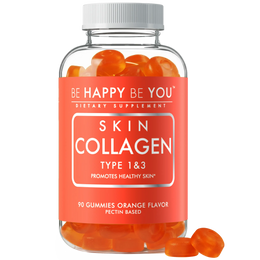
It is plant based at the base. Gelatin comes from animal collagen, usually cattle or pork. Pectin comes from fruit. A pectin-based gummy clears the biggest hurdle to being vegan, though the rest of the ingredient list still needs a look for things like beeswax or carmine. The base is only the base. Our Collagen gummy is pectin set like the rest of the line and still not vegan, because the collagen in it is bovine. We cover that full checklist in the full vegan ingredient checklist.
The texture is different. Gelatin gummies tend to have a soft, almost melt-in-your-mouth bite, because gelatin softens near body temperature. Pectin gummies set at a slightly firmer, chewier texture and hold that texture at room temperature.
It holds up better to heat. This is the practical reason a lot of shipped supplement gummies, ours included, lean on pectin. Gelatin's low melting point is great in a cool kitchen and a problem in a hot delivery truck or a mailbox in July. A pectin gel does not soften and reshape itself the same way when a box sits in the heat, so the gummies you open are closer to the ones that left the warehouse.
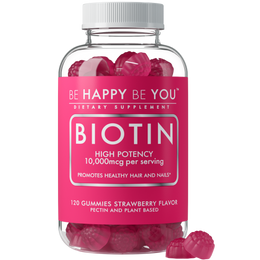
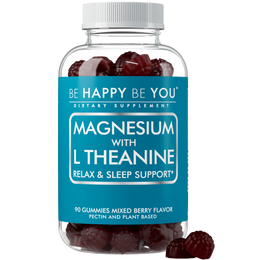
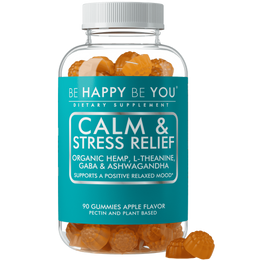
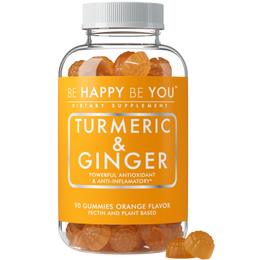
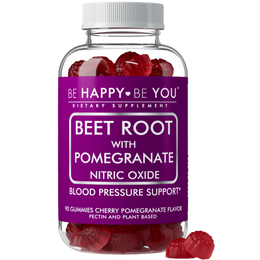
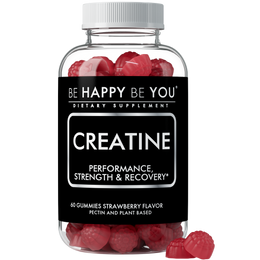
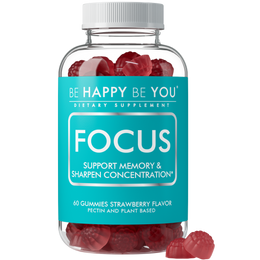
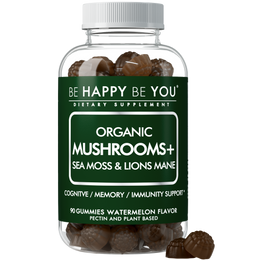
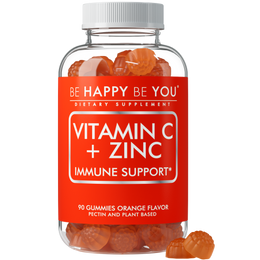
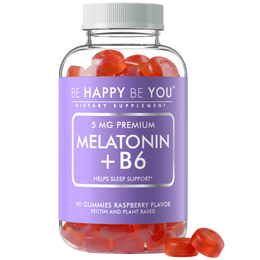
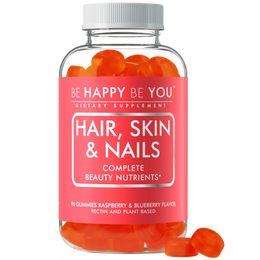
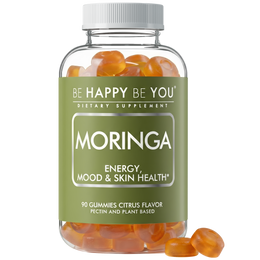
Every gummy we make starts with a pectin base rather than gelatin, and that decision was about all three reasons at once: it keeps the formula plant-based, it gives a bite we liked in testing, and it travels well in a shipped box. You can see the full lineup built this way in our pectin-based lineup.
Pectin is a natural fiber extracted from fruit, most often citrus peel or apple pomace, though beet pulp is also used. The FDA describes it as produced by extracting that plant material with hot, mildly acidic water, then drying the result into a powder. It is a plant ingredient from start to finish, with no animal step anywhere in the process.
No. Pectin is a plant fiber from fruit, while gelatin is made by breaking down animal collagen from cattle or pork. Both can set a gummy into a gel, but pectin is plant-based and gelatin is not. That difference is the main reason pectin has become the standard base for vegan gummies and candies.
Yes. Nutrition science classifies pectin as a soluble fiber, meaning it dissolves in water and forms a gel rather than passing through largely intact. The same gel-forming property that shows up in that classification is what lets pectin set a gummy or thicken a jam.
Pectin is classified as a soluble fiber in nutrition science. The amount used to set a gummy is small, so we make no fiber or blood sugar claim about our products. Pectin is in our gummies to set the gel, nothing more.
Pectin keeps the formula plant-based, since it comes from fruit rather than an animal. It also gives a firmer, chewier bite than gelatin, and it holds its shape better in heat, which matters when gummies travel through a hot delivery truck or mailbox before they reach you.
The FDA lists pectin as generally recognized as safe for use in food as a thickener, stabilizer, and emulsifier, with no limit beyond standard manufacturing practice.
*These statements have not been evaluated by the Food and Drug Administration. This product is not intended to diagnose, treat, cure, or prevent any disease.
One useful read at a time on gummies, ingredients, and routines that stick. No spam, unsubscribe whenever.
How is your visit going so far?
What best describes it?
Thank you. That helps.