

Gummy Science
Is Gelatin Vegetarian? What It's Made From and What Replaces It
No, gelatin comes from animal collagen in skin, bone and connective tissue. What it's made from, why it isn't vegan, and plant swaps like...
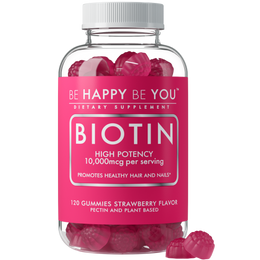
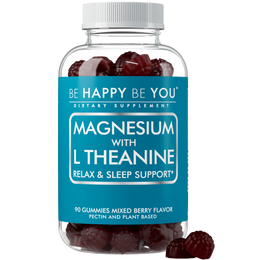
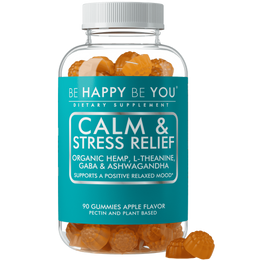
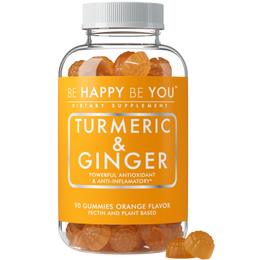
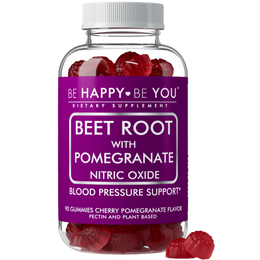
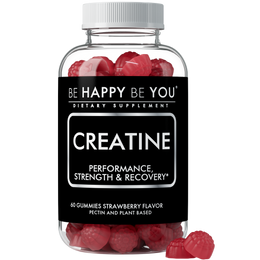
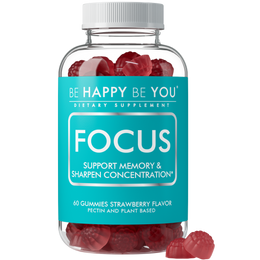
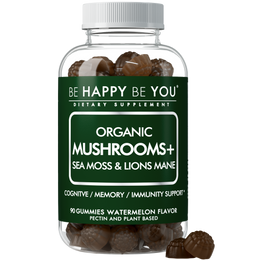
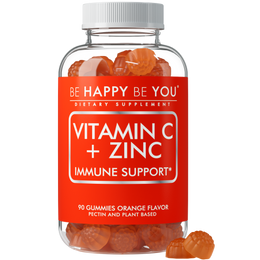
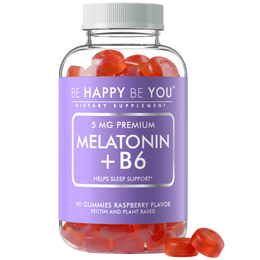
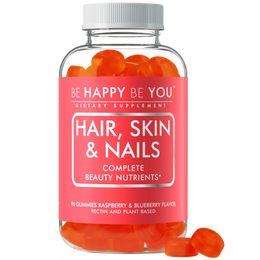
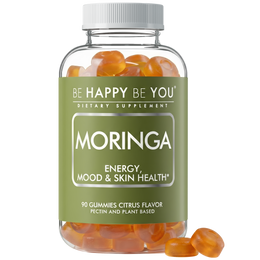
A pectin gummy avoids the gelatin question, which is the usual concern people bring to this topic. But halal or kosher status is about more than one ingredient. It depends on certification of the whole product and the facility it is made in. Be Happy Be You holds no halal certification and no kosher certification. Our gummies are pectin-based, not gelatin-based, but pectin alone does not make a product certified.
Most gummy vitamins on the market are made with gelatin, and gelatin is animal collagen, most often from pork skins or cattle hides and bones in the United States. Pork-derived gelatin is a straightforward no for halal diets, and it has long been treated as not kosher in mainstream American practice unless it comes from a kosher-slaughtered, certified source. As OU Kosher puts it, describing gelatin made from animal bones: "the general consensus in the United States was that it is not kosher."
That is why a pectin-based gummy, ours included, sidesteps the most common objection before it even comes up. But sidestepping one ingredient concern is not the same as earning a certification.
Halal certification is not a label a brand can claim on its own. It comes from an outside certifying body that reviews ingredients, sourcing, and manufacturing. The Islamic Food and Nutrition Council of America, one of the certifying organizations in this space, classifies ingredients like gelatin as "Mashbooh," meaning questionable, because they "can be derived from either permissible or forbidden sources." Their own description of what a certification mark proves: it shows "your product is pure from an Islamic perspective," based on the certifier's own review, not the manufacturer's word.
In other words, an ingredient being plant-based is a good sign, but it is not a certification. Facility practices, cross-contact with other products, and how flavors or colors are sourced all factor into whether a certifying body will sign off.
Kosher certification works the same way, through outside review rather than self-declaration. Major kosher certifying bodies, like the Orthodox Union (OU), evaluate every ingredient and the equipment it touches, then license a symbol to products that pass. A pectin base clears the gelatin hurdle, but kosher status also covers things like whether flavors are alcohol-derived, how equipment is shared between products, and whether the facility itself is under supervision.
That is the piece that is easy to miss. A product can use zero animal ingredients and still not carry kosher or halal certification, simply because the facility and process have not gone through that specific review.
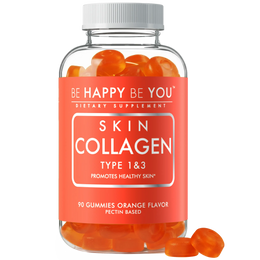
We do not currently hold halal certification or kosher certification, from any certifying body, on any product. Our gummies are pectin-based, which clears the gelatin objection that trips up most gummy vitamins. One product needs flagging here. Our Collagen gummy is pectin set and gelatin free like the rest, but its collagen is bovine, so it carries the same sourcing question that cattle-derived gelatin does. It is not certified either. That is a real thing to know if you are shopping specifically for gelatin-free options, and you can see our pectin-based lineup or our vegan collection either way. But if a halal or kosher mark on the bottle is what you specifically need, we are not able to offer that today, and we would rather say so here than let you assume otherwise.
The label is the fastest check. Read the ingredient list for gelatin by name, and for animal-derived items like carmine, lanolin, or shellac if you are also avoiding those. But do not stop at the ingredient list if certification is what you need. Look for an official symbol on the package, such as the OU for kosher or IFANCA's Crescent-M for halal. A brand claiming "halal" or "kosher" in its own marketing copy, without a certifier's symbol, has not been independently reviewed.
If you are unsure, ask the brand two direct questions: which certifying body reviewed the product, and does the certification cover the finished product and the facility, or only a single ingredient. A brand that has done the work will have a straightforward answer and usually a symbol to show for it.
It depends on the brand and product. Most gummy vitamins use gelatin, often pork-derived, which is not halal. A pectin-based gummy avoids that specific problem, but halal status is a formal certification covering the whole product and facility, more than one ingredient, so a gelatin-free gummy is not automatically certified halal.
Most are not certified kosher, mainly because they use gelatin, and mainstream gelatin in the U.S. is generally treated as not kosher unless it comes from a certified kosher source. Even gelatin-free gummies need a formal review by a kosher certifying body, such as the OU, before they can carry a kosher symbol.
Pectin itself, as a plant fiber extracted from citrus peel or apple pomace, does not raise the animal-sourcing concerns that gelatin does. That makes it a good starting point for halal or kosher shoppers. It still does not make a finished product certified on its own, since certification also covers facility and manufacturing practices.
No, we do not currently hold halal certification or kosher certification from any certifying body. Our gummies are pectin-based rather than gelatin-based, which avoids the most common objection, but we want to be upfront that we have not gone through formal halal or kosher certification at this time.
Start with the ingredient list and check for gelatin or other animal-derived items. Then look for an official certification symbol on the package, such as the OU for kosher or a recognized mark like IFANCA's Crescent-M for halal. A brand's own marketing claim of halal or kosher, without a certifier's symbol, has not been independently verified.
Ask which certifying body reviewed the product and whether that certification covers the finished product and the manufacturing facility, or only a single ingredient. A brand that has earned certification will name the certifier and usually display its symbol on the packaging, rather than only using the word in marketing copy.
*These statements have not been evaluated by the Food and Drug Administration. This product is not intended to diagnose, treat, cure, or prevent any disease.
One useful read at a time on gummies, ingredients, and routines that stick. No spam, unsubscribe whenever.
How is your visit going so far?
What best describes it?
Thank you. That helps.