
Gummy Science
Are Gummy Vitamins Halal or Kosher? What Certification Covers
Pectin gummies skip gelatin, the usual halal or kosher concern, but certification covers the whole product. We hold neither. How to check any brand's...
No, gelatin is not vegetarian, and it is not vegan either. Gelatin is made from animal collagen, pulled from the skin, bones, and connective tissue of cattle and pigs, with a smaller share made from fish skins. There is no plant version of it. If an ingredient list says "gelatin," an animal was part of making that product, full stop. This page covers what gelatin is, why the plant-based swaps exist, and where our own gummies land.
Quick facts
Gelatin is not a separate substance you find in nature. It is made by breaking down collagen, the structural protein in skin, bone, and connective tissue, into a form that dissolves in warm water and sets into a gel as it cools. That is the same protein that gives cartilage and tendons their structure while the animal is alive.
U.S. federal regulations spell it out. As the Code of Federal Regulations puts it: "Gelatin means a product that has been obtained by the partial hydrolysis of collagen derived from hides, connective tissue, and/or bone of cattle and swine." 21 CFR 189.5 also describes the two main manufacturing types, Type A and Type B, based on whether the raw material is treated with acid or with alkali before processing.
Most commercial gelatin in the United States comes from pork skins or cattle hides and bones. A smaller share is made from fish skins, mostly a byproduct of the seafood industry. All three sources are animals, so none of them change the vegetarian or vegan answer.
Vegetarian diets vary in what they allow, but every common definition excludes animal flesh and animal byproducts taken from slaughter. Gelatin fits that second category. It is not meat itself, but it is only produced because an animal was processed for meat, leather, or a similar use, and its connective tissue was collected afterward. That puts it in the same bucket as lard or bone broth for most people who keep a vegetarian diet, even though gelatin looks and tastes nothing like either one.
This is also why gelatin capsules, gelatin-coated tablets, and gummy candies made with gelatin are a common surprise for people who assume "vitamin" or "supplement" automatically means plant-based. It often does not. The only way to know is to read the ingredient list.
Pectin is the most common plant alternative to gelatin in gummies, jams, and jellies. It is a fiber that occurs naturally in the cell walls of fruit, and it is regulated in the U.S. as a food ingredient in its own right. The federal definition describes pectins as "complex, high molecular weight polysaccharides found in plants," and notes that "pectin is produced commercially by extracting citrus peel, apple pomace, or beet pulp" with a mild acid solution.
In plain terms, pectin usually starts as a byproduct of squeezing oranges or pressing apples for juice. The peel and pulp that would otherwise be discarded gets processed into a powder that sets into a gel with sugar and acid, the same basic chemistry behind a good batch of homemade jam. No animal is involved at any step.
Agar-agar is a second plant-based gelling agent, less common in gummy vitamins but worth knowing. It comes from red algae rather than fruit. Federal regulations describe it as "a dried, hydrophyllic, colloidal polysaccharide extracted from one of a number of related species of red algae." It sets firmer than pectin and is used more in Asian desserts and some vegan candy than in mainstream gummy vitamins, but it is a legitimate, fully plant-based option.
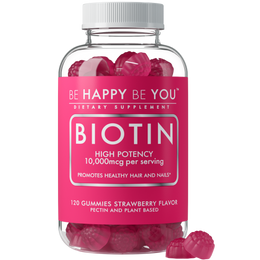
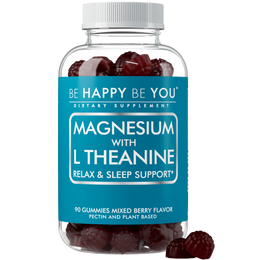
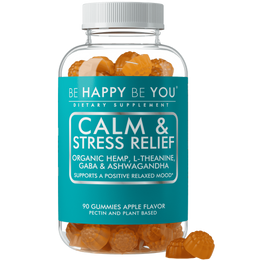
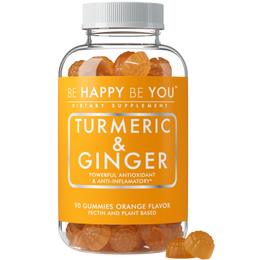
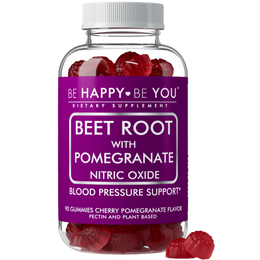
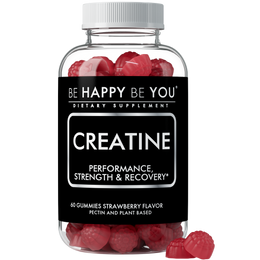
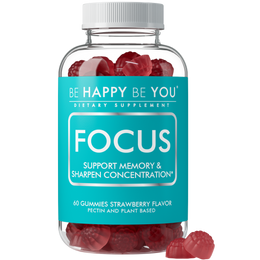
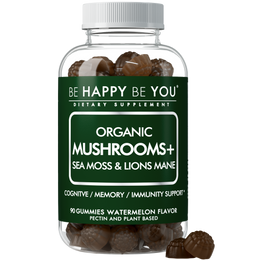
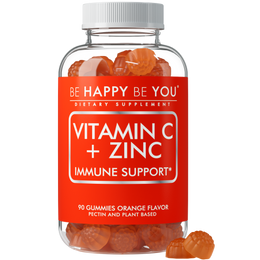
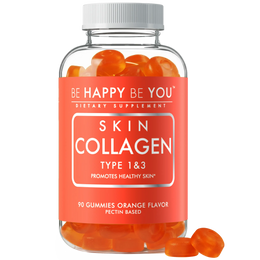
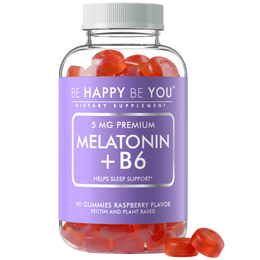
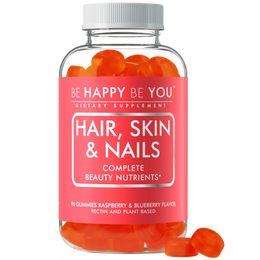
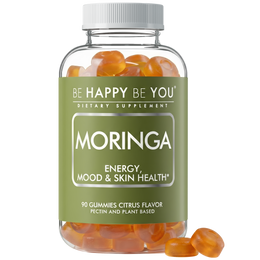
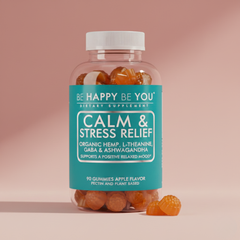
Every gummy we make uses a pectin base, not gelatin. That has been true across our line, including our Collagen formula. The Collagen gummy's base is pectin like the rest of our products, but the collagen itself, the active ingredient in that particular formula, is sourced from cattle. So the Collagen gummy contains no gelatin, but it is not a vegan product, because collagen as an ingredient is an animal protein by definition. The pectin base does not change that.
If you want the full list, our full pectin-based lineup and our vegan collection are both live on the site. And if what you are really checking is whether a gummy vitamin can carry halal or kosher status, that is a related but separate question, since certification covers more than just the base.
No. Gelatin is made by breaking down collagen from the skin, bones, and connective tissue of cattle, pigs, or fish into a form that gels. Because it only exists as a byproduct of processing animals, it does not fit any common definition of vegetarian, even though the finished product looks nothing like meat.
Gelatin comes from animal collagen, most often the hides and bones of cattle or the skins of pigs, with a smaller share made from fish skins. U.S. federal regulations define it as a product obtained by the partial hydrolysis of collagen from the hides, connective tissue, and bone of cattle and swine.
No. Vegan diets exclude all animal-derived ingredients, and gelatin is entirely animal-derived collagen. This applies no matter which animal source it comes from, since cattle, pig, and fish gelatin are all made the same basic way, by processing connective tissue into a gelling protein.
Pectin, a fiber from fruit, is the most common plant-based replacement, usually extracted from citrus peel or apple pomace. Agar-agar, made from red algae, is a second plant-based option used more in some Asian desserts and vegan candy. Both set into a gel without any animal ingredients.
No. They both make gummies and jellies gel, but pectin is a plant fiber extracted from fruit like citrus peel or apples, while gelatin is an animal protein extracted from hides, bones, and connective tissue. Pectin sets with sugar and acid, and it is naturally vegetarian and vegan.
Yes, every gummy we make uses a pectin base, not gelatin. Our Collagen gummy is the one exception worth knowing about: it is still pectin-based and contains no gelatin, but its collagen ingredient itself comes from cattle, so that specific product is not vegan even though it is gelatin-free.
*These statements have not been evaluated by the Food and Drug Administration. This product is not intended to diagnose, treat, cure, or prevent any disease.
One useful read at a time on gummies, ingredients, and routines that stick. No spam, unsubscribe whenever.
How is your visit going so far?
What best describes it?
Thank you. That helps.